
Lunar Eclipse 2026 is set to be a treat for skywatchers and astronomy lovers across the world. In 2026, the Moon will pass through Earth’s shadow twice, resulting in two significant lunar eclipses. One will be a total lunar eclipse, while the other will be a partial lunar eclipse. Both events can be observed with the naked eye from several regions, making them special celestial moments of the year.
If you are searching for Chandra Grahan 2026 dates, timings, type of eclipse and visibility, here is a complete and reliable guide explained in a simple Indian-friendly manner.
How Many Lunar Eclipses Will Occur in 2026?
According to astronomical calculations, two lunar eclipses will occur in 2026:
- The first lunar eclipse will be a total lunar eclipse
- The second lunar eclipse will be a partial lunar eclipse
Both eclipses will be visible from different parts of the world, depending on geographic location.
Lunar Eclipse 2026 Dates and Types
The confirmed dates of the lunar eclipses in 2026 are as follows:
- First Lunar Eclipse: March 3, 2026 (Total Lunar Eclipse)
- Second Lunar Eclipse: August 27–28, 2026 (Partial Lunar Eclipse)
Quick Information Table: Lunar Eclipse 2026
| Topic | Details |
|---|---|
| Event | Lunar Eclipse 2026 |
| Total Lunar Eclipse | 3 March 2026 |
| Partial Lunar Eclipse | 27–28 August 2026 |
| Type | First: Total, Second: Partial |
| Total Eclipse Duration | 5 hours 39 minutes |
| Partial Eclipse Duration | 5 hours 38 minutes |
| Visibility | Americas, Asia, Australia, Europe (region-wise) |
Lunar Eclipse on March 3, 2026: Full Details
The first Chandra Grahan of 2026 will occur on March 3, 2026, and it will be a total lunar eclipse.
Timings of the Total Lunar Eclipse
- Eclipse Begins: 11:04 AM
- Maximum Eclipse: 11:33 AM
- Eclipse Ends: 12:02 PM
The entire eclipse event will last for approximately 5 hours and 39 minutes.
Visibility Regions
This total lunar eclipse will be fully visible from:
- Western parts of North America
- Eastern Australia
- New Zealand
- Northern Japan
Partial visibility will be possible from parts of North and South America, East Asia and regions around the Pacific Ocean.
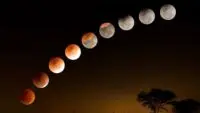
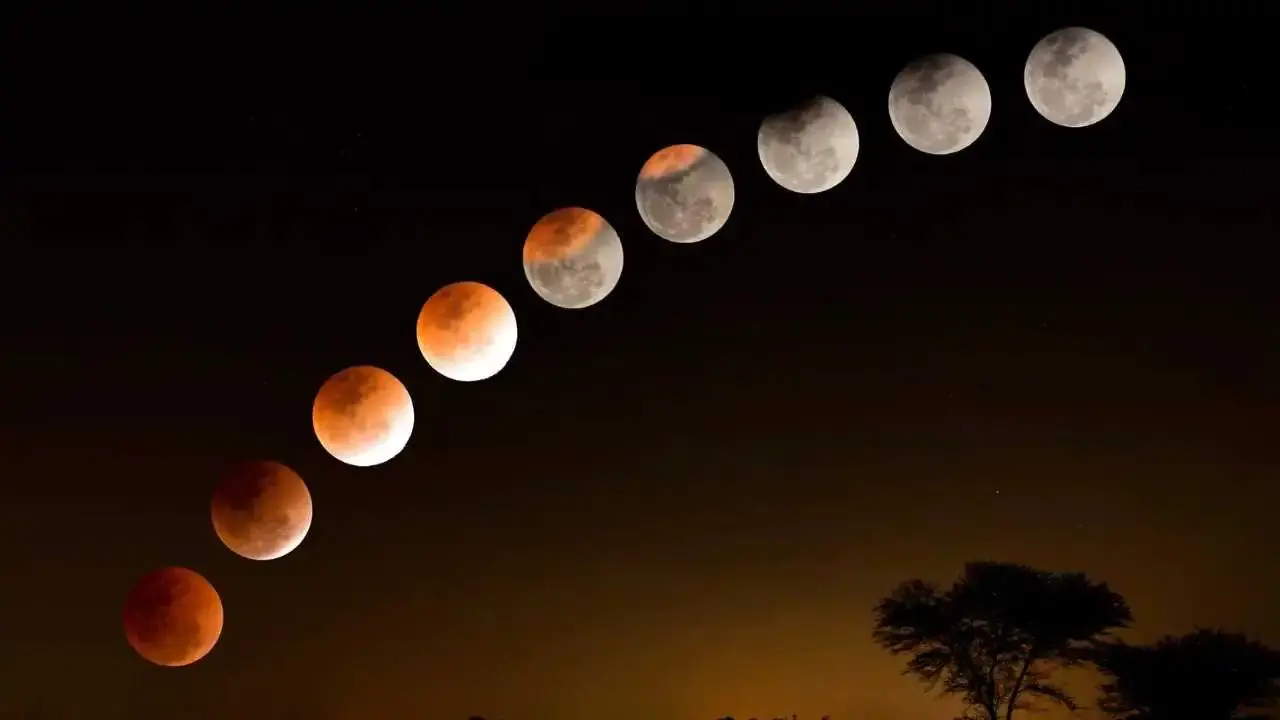
During the total phase, the Moon may appear reddish or copper-coloured, commonly known as a Blood Moon.
Lunar Eclipse on August 27–28, 2026: Full Details
The second lunar eclipse of 2026 will take place on the night of August 27 and early hours of August 28. This eclipse will be a partial lunar eclipse.
Timings of the Partial Lunar Eclipse
- Eclipse Begins: 2:33 AM (August 28)
- Maximum Eclipse: 4:12 AM
- Eclipse Ends: 5:51 AM
The total duration of this eclipse will be around 5 hours and 38 minutes.
Visibility Regions
This partial lunar eclipse will be visible from:
- North America
- South America
- Parts of Europe
- Parts of Africa
What Causes a Lunar Eclipse?
A lunar eclipse occurs when the Earth comes directly between the Sun and the Moon. As a result, Earth’s shadow falls on the Moon, blocking sunlight. During a total lunar eclipse, the Moon can turn red due to the scattering of sunlight through Earth’s atmosphere, creating the famous Blood Moon effect.
How to Watch Lunar Eclipse 2026 Safely
One of the best things about a lunar eclipse is that it is completely safe to watch with the naked eye. No protective glasses or filters are required.
For a better experience:
- Choose an open area with a clear view of the sky
- Ensure weather conditions are clear
- Use binoculars or a small telescope for detailed lunar surface views
Religious Beliefs and Precautions During Chandra Grahan
According to traditional beliefs, certain precautions are advised during a lunar eclipse:
- Avoid performing regular puja rituals during the eclipse
- Pregnant women are traditionally advised to stay indoors
- Avoid cutting nails or hair during the eclipse period
- Keep food covered, preferably with tulsi leaves
- Chanting mantras and meditation are considered beneficial
Why Lunar Eclipse 2026 Is Special
With two major lunar eclipses, including a spectacular total lunar eclipse, 2026 offers rare opportunities to witness stunning night-sky events. Whether you observe it for spiritual reasons or scientific curiosity, Lunar Eclipse 2026 promises unforgettable celestial moments.