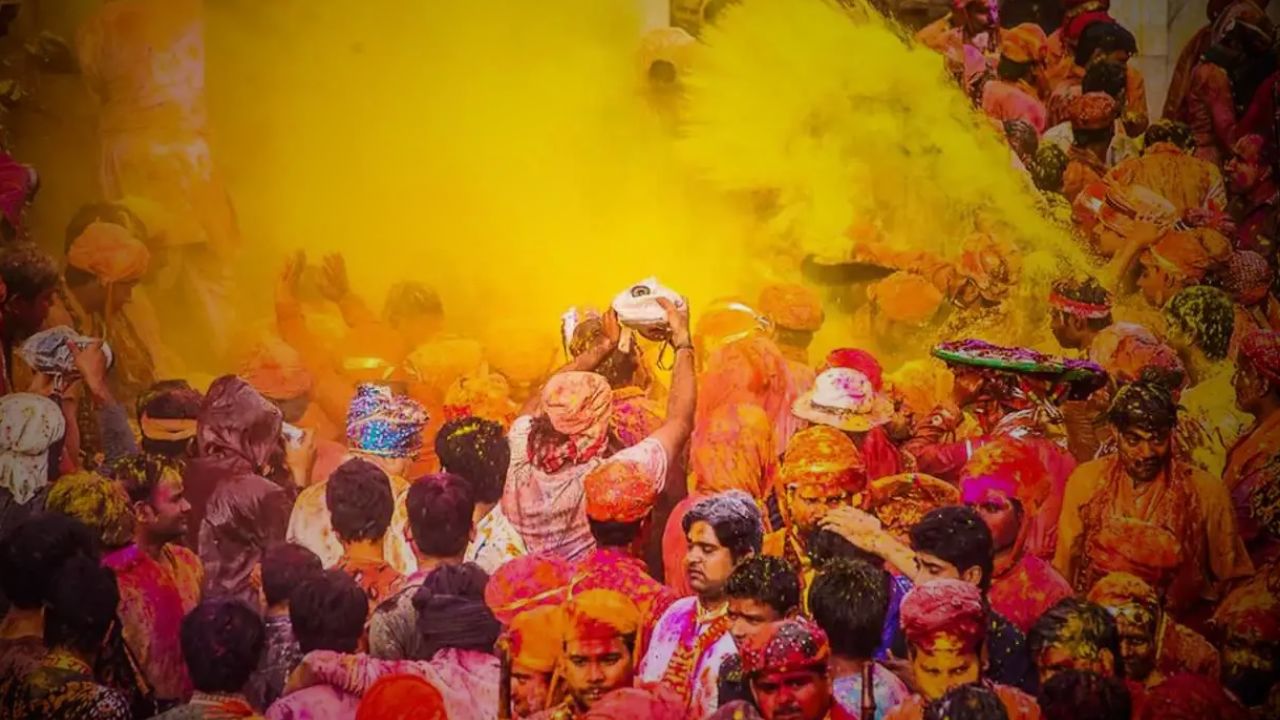

Kolkata: Holi, the vibrant festival of colours, is one of the most widely celebrated Hindu festivals in India. Marking the victory of good over evil and the arrival of spring, Holi brings together devotion, joy and community bonding. As people begin planning holidays and celebrations, here is a complete and verified guide to Holi 2026, including date, timings, rituals and regional traditions, written in a clear and trustworthy format.
Holi 2026 Date and Calendar Details
According to Hindu Panchang and traditional calendars, Holi will be celebrated on Wednesday, 4 March 2026 across most parts of India. The festival is observed over two days in many regions.
The first day is known as Holika Dahan or Chhoti Holi, while the second day is Rangwali Holi, the main festival of colours.
Quick Information Table
| Topic | Details |
|---|---|
| Festival Name | Holi |
| Holi 2026 Date | 4 March 2026 (Wednesday) |
| Holika Dahan Date | 3 March 2026 (Tuesday) |
| Bengali Calendar Date | 19 Falgun, 1432 |
| Main Rituals | Holika Dahan, Radha Krishna Puja, Colour Play |
| Regional Name in Bengal | Dol Utsav or Dol Jatra |
Holika Dahan 2026 Timings
Holika Dahan symbolises the destruction of evil forces and is performed on the night before Holi.
As per Panchang calculations:
- Holika Dahan Date: 3 March 2026
- Auspicious Time: 6:22 PM to 8:50 PM (approximate, may vary by location)
Purnima Tithi Details
- Purnima Begins: 2 March 2026 at 5:55 PM
- Purnima Ends: 3 March 2026 at 5:07 PM
The timing of Purnima plays a key role in deciding the date of Holika Dahan, making this calculation important for religious observance.
Why Holi is Celebrated: Mythological Significance
Holi is associated with two major Hindu legends. The first is the story of Prahlad and Holika, where unwavering devotion to Lord Vishnu triumphed over cruelty and arrogance. Holika Dahan represents this victory of faith and righteousness.
The second tradition is linked with Lord Krishna and Radha, where playful colour application symbolises love, joy and equality. This tradition is especially popular in North India and West Bengal.
How Holi is Celebrated Across India
Holi celebrations vary from region to region, making the festival culturally rich and diverse.
In West Bengal
Holi is celebrated as Dol Utsav. Idols of Radha and Krishna are placed on decorated swings, and devotees sing devotional songs while applying abir. The celebration is more cultural and spiritual in nature.
In North India
Cities like Mathura, Vrindavan and Barsana are known for grand celebrations involving gulal, music and community gatherings.
In Other Parts of India
Across Maharashtra, Gujarat, Rajasthan and eastern states, Holi is celebrated with traditional foods, music, dance and community bonding.
Traditional Holi Rituals You Should Know
- Holika Dahan: Burning of symbolic evil elements on the night before Holi
- Morning Bath and Puja: Early morning purification followed by prayers
- Radha Krishna Worship: Especially observed in Bengal and Vaishnav traditions
- Playing with Colours: Using dry gulal or water-based colours
- Sharing Sweets: Gujiya, laddoo, malpua and rasgulla are common
Safety and Eco-Friendly Holi Tips
- Use herbal or natural colours to protect skin and eyes
- Avoid excessive water wastage
- Follow local guidelines during Holika Dahan
- Respect elders, children and those who prefer not to play with colours
Holi 2026 Public Mood and Planning
Since Holi 2026 falls midweek, many people are expected to plan short trips or family gatherings. Schools, offices and banks may remain closed depending on state government notifications. Travel and hospitality sectors usually see increased demand around this time.
Final Word
Holi 2026 is not just a festival of colours but a celebration of unity, tradition and renewal. With clear dates, rituals and regional significance, proper planning can help you enjoy the festival in its true spirit. Whether you celebrate with devotion, colours or cultural programmes, Holi remains one of India’s most cherished festivals.